

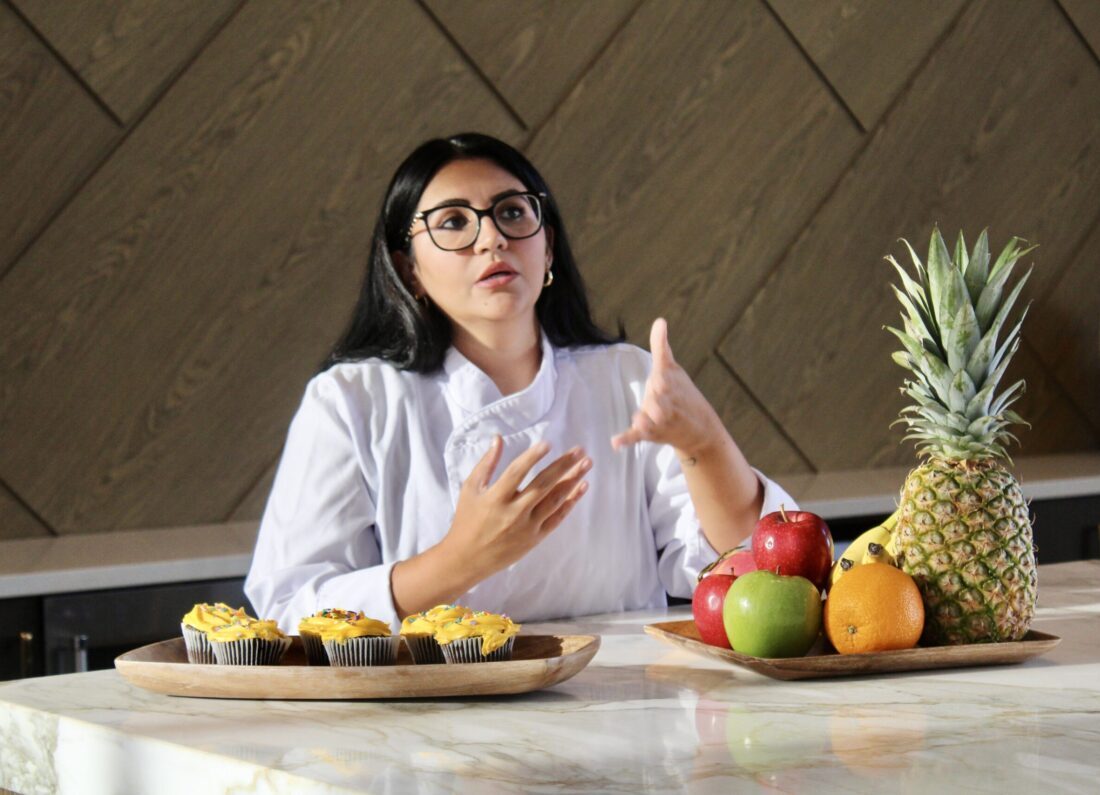
As food insecurity continues to affect millions of Americans, professionals specializing in food resources, nutrition access, and community support are becoming increasingly essential across the United States. Among the voices gaining attention in this field is Mariana Ávila, a Food Resources Specialist whose career has focused on connecting families and communities with sustainable food support systems while advocating for healthier and more accessible nutrition solutions.
According to the latest data from the United States Department of Agriculture (USDA), more than 47 million people lived in food-insecure households in the U.S. in recent years, including millions of children. The issue has intensified after years of economic instability, inflation, rising housing costs, and disruptions in food supply chains. Experts also point to growing concerns surrounding nutrition inequality, particularly among immigrant, low-income, and underserved communities.
For Mariana Ávila, the conversation about food resources goes far beyond access to groceries. It involves education, dignity, public health, and long-term community development. “Food is directly connected to quality of life, health outcomes, childhood development, and even economic stability,” Ávila says. “When families struggle to access healthy and consistent nutrition, the effects reach every area of society.”
Ávila’s professional journey has been built around food assistance coordination, nutritional guidance, and community-oriented resource management. Throughout her career, she has worked closely with families navigating financial hardship, helping connect them with food programs, educational initiatives, and support networks designed to improve nutritional access and stability.
Her work also reflects a broader national movement focused on preventive health through nutrition. The Centers for Disease Control and Prevention (CDC) has repeatedly emphasized the relationship between diet and chronic illnesses such as diabetes, hypertension, obesity, and cardiovascular disease, conditions that disproportionately impact vulnerable populations.
Specialists in food resources are increasingly being recognized as critical professionals in addressing these challenges. Hospitals, schools, nonprofit organizations, and local governments across the country have expanded programs focused on food accessibility, nutritional education, and community wellness initiatives. Ávila believes the future of the field depends on combining practical support with education.
“Providing food assistance is essential, but education is equally important,” she explains. “Families need information about nutrition, meal planning, available community resources, and long-term strategies that can improve health and stability.”
Her career path has also been marked by multicultural experience and direct engagement with diverse communities, an increasingly important factor in states like Florida, Texas, and California, where immigrant and multilingual populations continue to grow rapidly. According to U.S. Census Bureau estimates, Hispanic communities now represent nearly 20% of the American population, increasing demand for culturally informed food and health support services.
Professionals in the field say cultural understanding plays a major role in the success of food resource programs. Dietary habits, language barriers, and unfamiliarity with public assistance systems often create obstacles for families trying to access support. “Every community has unique realities,” Ávila says. “To truly help people, professionals need to understand cultural differences and approach families with empathy and respect.”
The food resources sector itself has expanded significantly in recent years. Feeding America, the nation’s largest hunger-relief organization, reports that food banks nationwide continue to experience elevated demand even after the pandemic emergency years ended. Many organizations are now shifting their focus toward sustainable nutrition strategies rather than only emergency food distribution.
As the United States continues facing debates over healthcare costs, nutrition access, inflation, and social inequality, experts believe food resource specialists will remain at the center of public health and community development efforts. For Mariana Ávila, the mission remains deeply human.
“Food security is not only about survival,” she says. “It is about giving people the opportunity to live with health, dignity, and hope for the future.”